
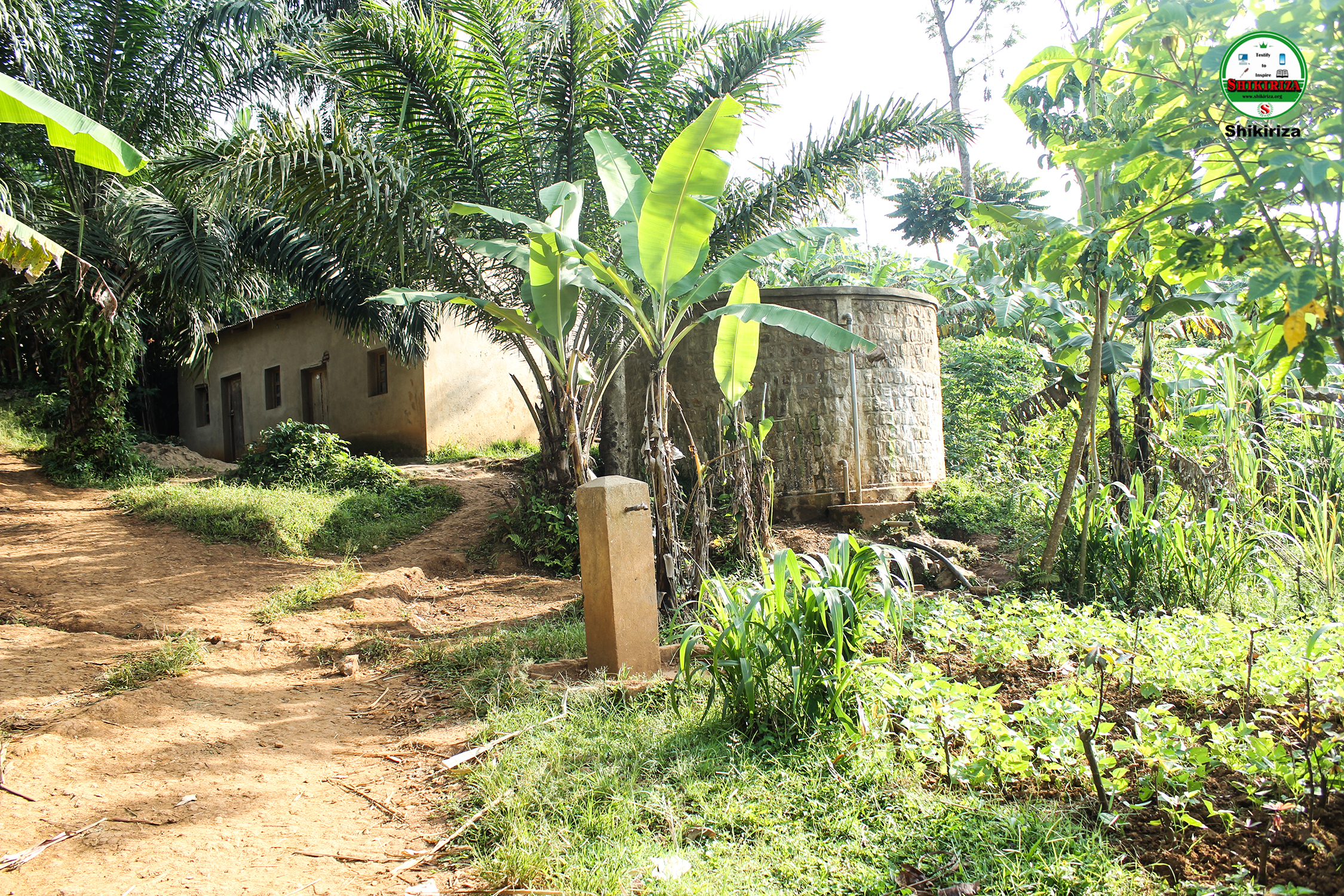
In Mageyo, a village in the Mubimbi commune, several residents denounce the installation of water reservoirs and distribution pipelines on their land by the private company named “LifeWater.” They claim the project was carried out without prior consultation or compensation. A year and a half after the construction work, they say they have neither received any compensation nor been given any explanation. As delays persist, frustration is mounting. Local and national authorities cite budgetary constraints but maintain that compensation will be provided—although no clear timeline has been announced.
Located along National Road 1 (RN1), which connects the city of Bujumbura to provinces in the north, center, and east of the country, the Mageyo hill is part of Mubimbi commune in Bujumbura Province—commonly referred to as Bujumbura Rural. Just a few meters from the area known as « Kw’ipine » and around 22 km from Bujumbura City lies a water distribution point operated by LifeWater. Directly opposite is a smaller hill called Nyabagore, home to a natural spring renowned for its fresh taste. It is this water source that LifeWater sought to exploit.
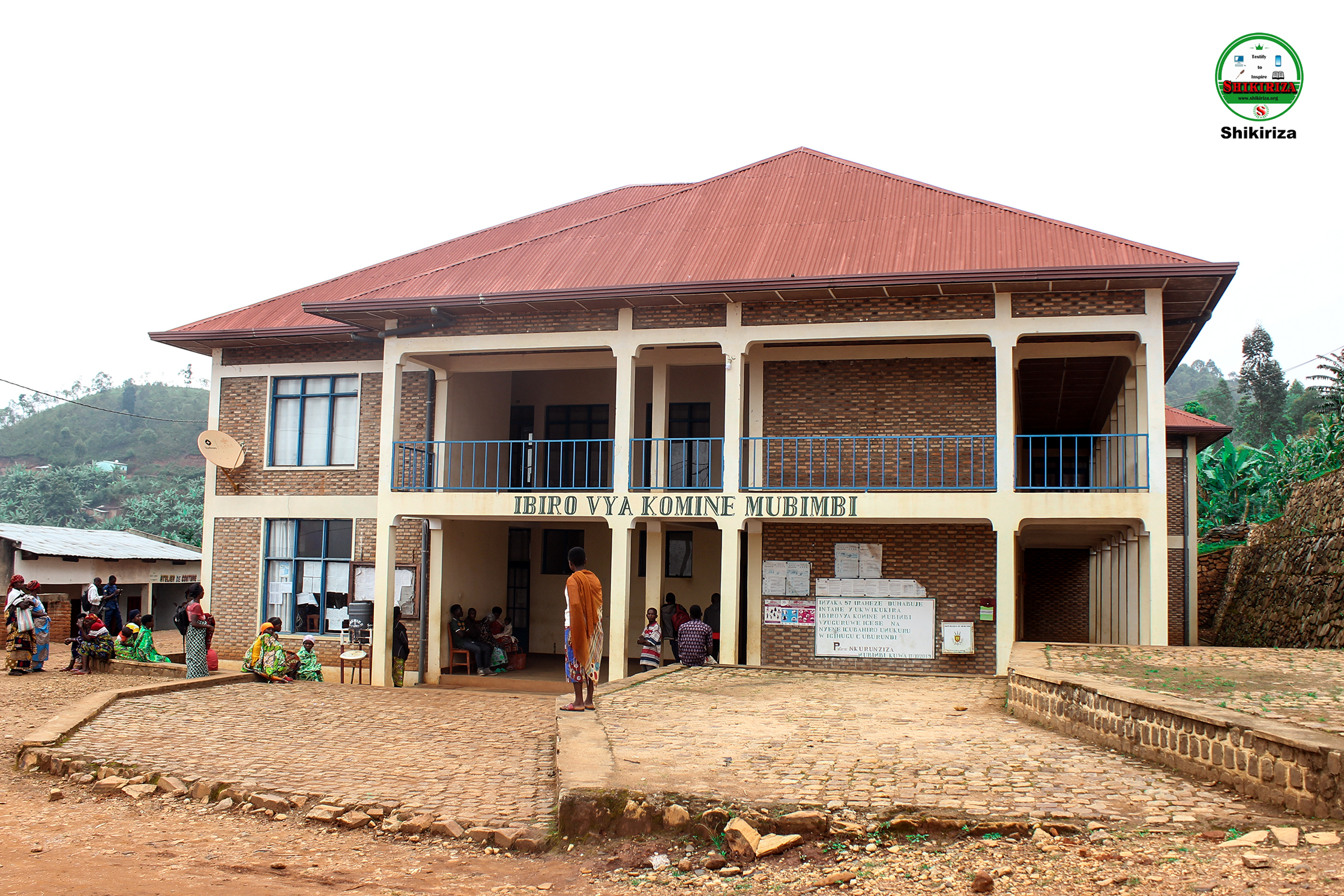
According to Mubimbi’s communal administrator, Dismas Harimenshi, the company obtained official permission from the relevant ministry, under the condition that the surrounding population—both near the spring and along the pipeline route to the distribution point on RN1—would also benefit from the water supply.
Regarding compensation for landowners whose properties were used to develop the spring and install the infrastructure, Dismas Harimenshi clarifies that this responsibility lies with the government, through the AHAMR (Agency for Rural Water, Sanitation, and Maintenance), in accordance with national legislation.
Mounting Frustration and Unanswered Questions
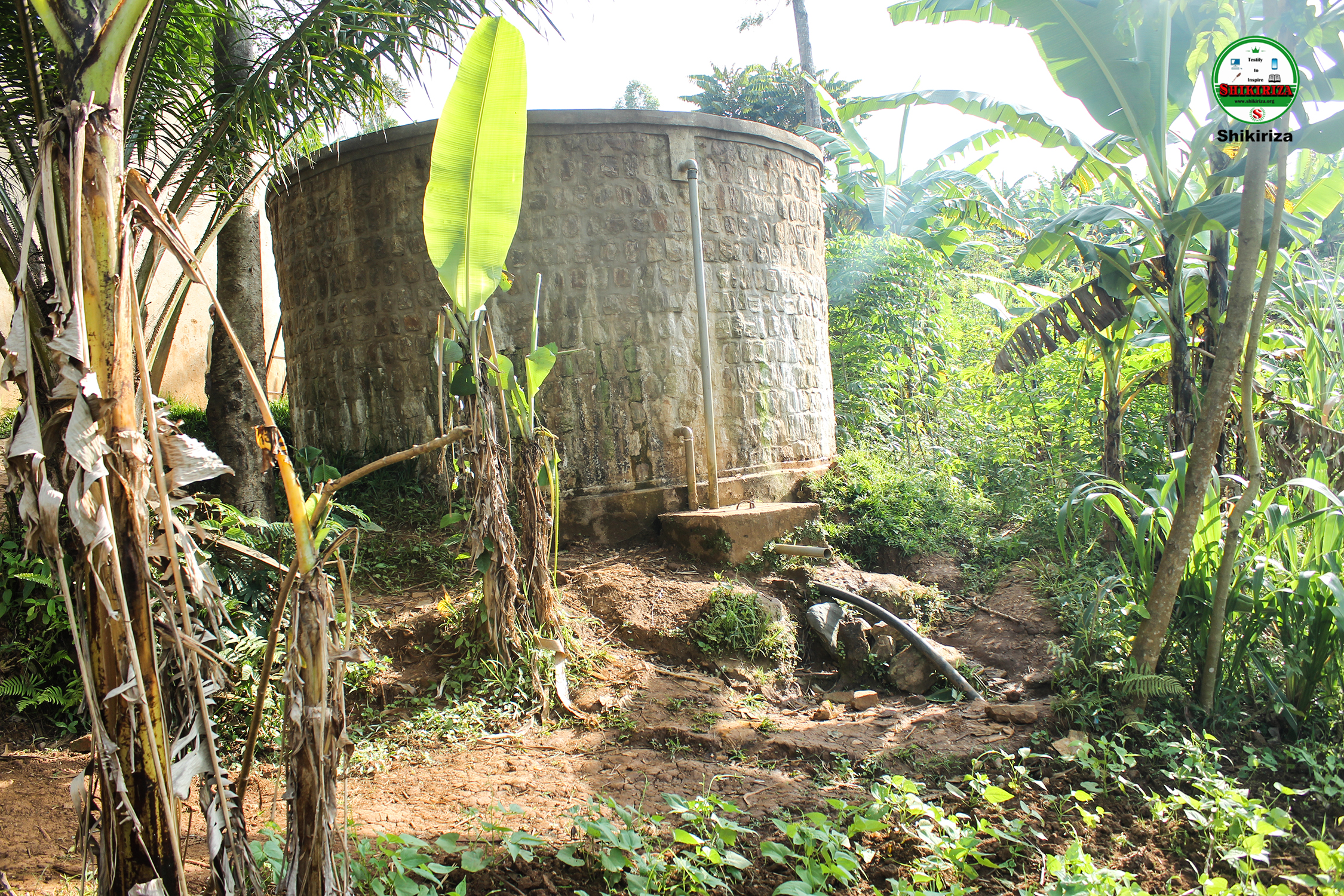
“They installed a water tank on my land without even consulting me,” says one of Mageyo residents ( Picture shot by Thibilisse Nkurunziza)
Affected residents are voicing their anger. They accuse LifeWater of occupying and using their land without consent or compensation and suspect that the funds intended for them may have been misappropriated.
“They installed a water tank on my land without even consulting me,” says one Mageyo resident, speaking to Shikiriza newspaper. He demands reparations for the construction carried out by LifeWater on his property.
“I had just returned from a short stay in Bujumbura when I found that my land was being occupied by the company to install a water reservoir. I was never informed or consulted. I wanted to halt the construction, but neighbors advised me to report the matter to local authorities. It’s now been a year and a half, and I haven’t received any compensation,” he laments.
He adds that banana trees and other crops had been uprooted without any evaluation or compensation. Additionally, the pipelines now run through the area where he was building a bar—a business he had to abandon.
More recently, he says, LifeWater returned to propose a survey of the remaining crops in order to install a second reservoir. He refused, stating that he has yet to receive any compensation for his earlier losses.
Another resident, whose land hosts the Nyabagore spring itself, says he was barred from conducting any activity on the site to prevent water pollution, again without receiving any form of compensation. He is now calling on authorities to help him secure alternative land so he can continue his farming.
A third resident reports being told, like many others, that compensation will only be provided to landowners whose properties house reservoirs.
“Our communal administrator told us that since only water pipes were laid across our land, we are not eligible for compensation. He said we could still use our land as before. But our crops were destroyed—why don’t they have any value?” he asks.
All of the affected residents are now demanding compensation and decry what they call the prolonged silence of the authorities.
Mubimbi Administrator Guarantees Compensation Payments
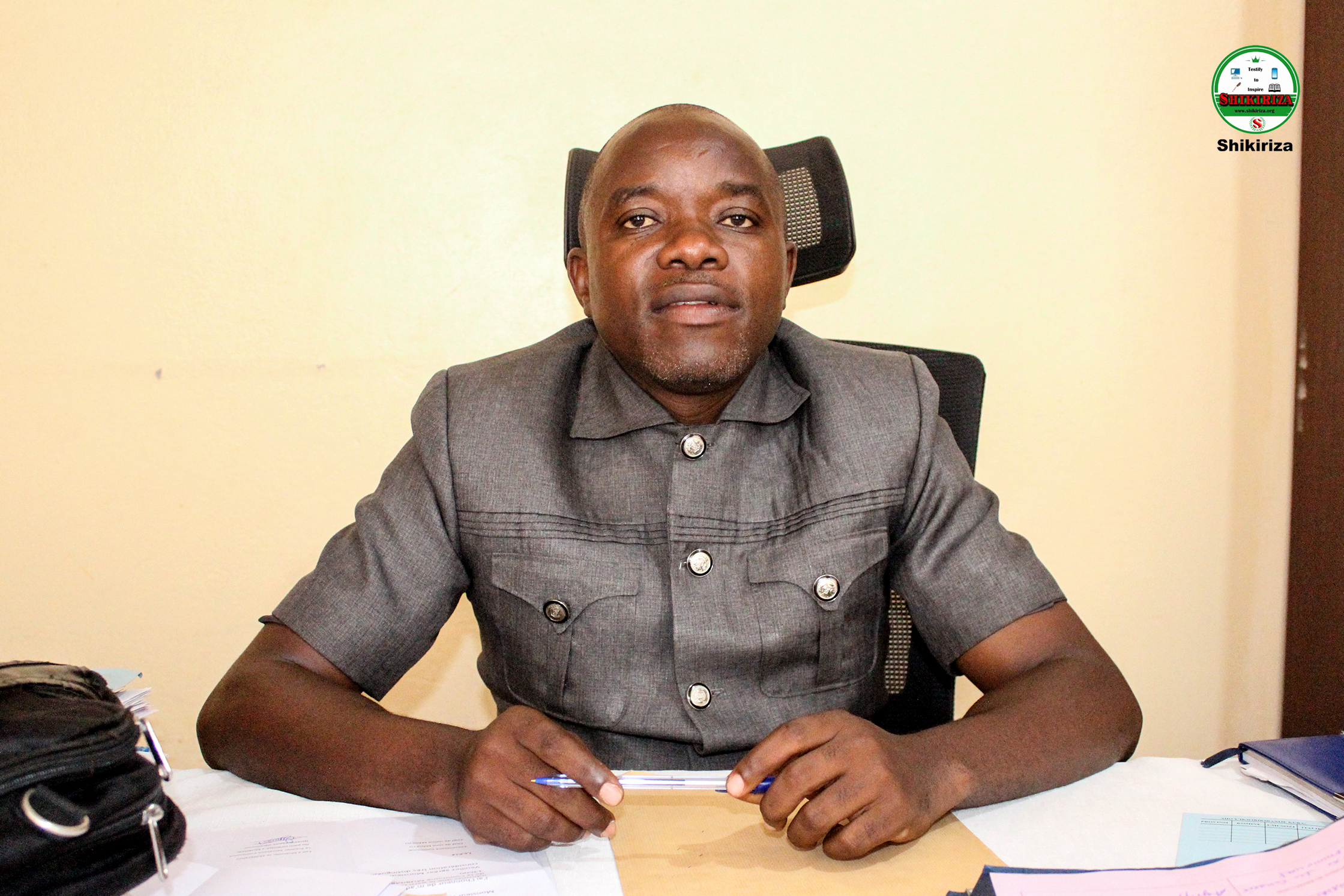
Their indemnities will be included in the 2025–2026 national budget, states Dismas Harimenshi (Picture shot by Thibilisse Nkurunziza)
When contacted, the administrator of Mubimbi Commune, Dismas Harimenshi, acknowledged the issue.
“We have already discussed this with the residents. I told them I am closely monitoring the situation. The only problem is the delay in disbursing compensation.”
He emphasizes that although LifeWater is a private company, it was authorized by the relevant ministry, and the compensation issue is the responsibility of the state—specifically the AHAMR.
Dismas Harimenshi reassures the residents, stating that they will receive their compensation, as he has been assured by the relevant authorities that the indemnities will be included in the 2025–2026 national annual budget.
Regarding claims that new construction is underway before previous compensations have been paid, Dismas Harimenshi refutes the accusations.
“What residents believe to be new LifeWater projects are actually initiatives by the AHAMR, aiming to expand access to clean water in the region,” he says.
AHAMR Acknowledges Complaints but Offers No Deadline
“What is certain is that compensation will be paid,” says Dr. Nestor Niyonzima ( Picture taken by Thibilisse Nkurunziza)
Dr. Nestor Niyonzima, Director General of AHAMR, confirms the validity of the residents’ grievances. He attributes the delays to the large number of people awaiting compensation nationwide and the limited state budget allocated for this purpose.
“What is certain is that compensation will be paid. However, I cannot specify when, as the number of pending cases is high and next year’s annual budget cannot cover all outstanding claims. We are asking residents to be patient,” he explains.
Dr. Nestor Niyonzima assures residents of Mageyo that they have not been forgotten:
“We will do everything in our power to ensure they are compensated. No effort will be spared.”
As for potential new LifeWater projects, he states that he had not received any information. He also dismisses the communal administrator’s claim that the new construction work falls under AHAMR’s initiatives.
We made multiple attempts to reach LifeWater’s management. After contacting the last of their official numbers, a representative briefly promised to call back—but since then, all our calls have gone unanswered.