
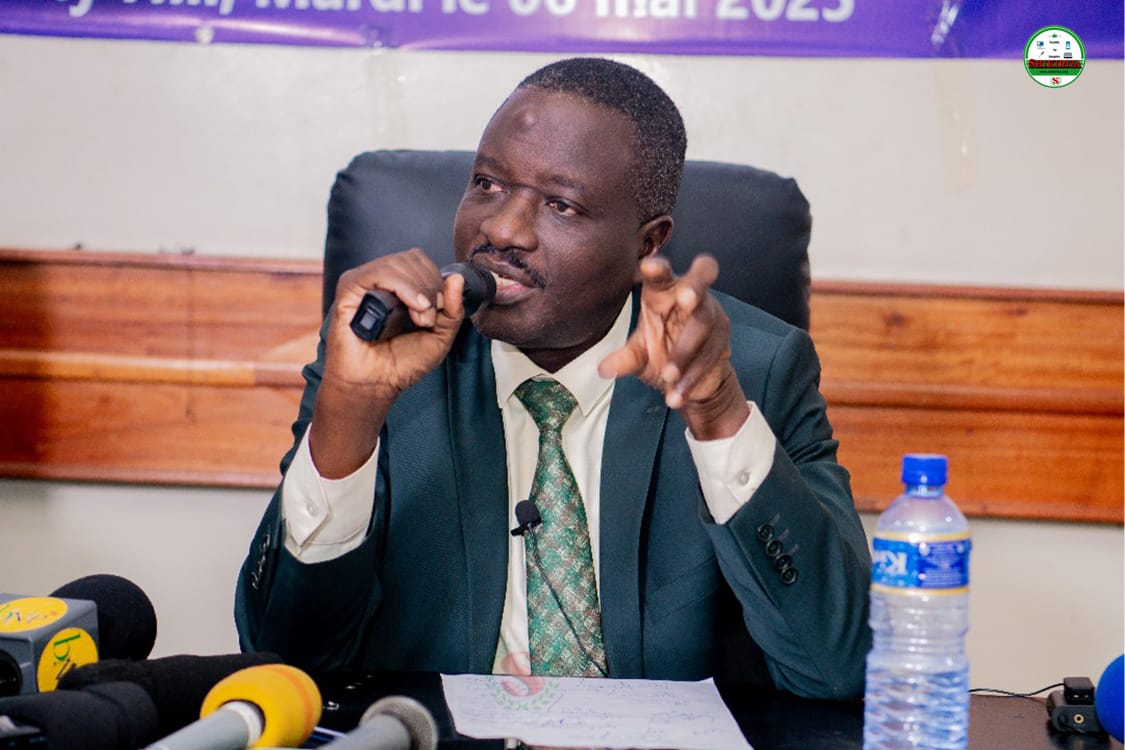
Despite years of promises and reforms, corruption in Burundi remains deeply rooted, undermining governance and public trust. With the country now ranked among the most corrupt worldwide, citizens and civil society question the real impact of the “zero tolerance” principle once proclaimed by the authorities. The fight against corruption risks becoming a slogan rather than a genuine policy unless true political will emerges.
In Burundi, the fight against corruption remains problematic. The country is ranked among the most corrupt nations in the world. According to Transparency International’s 2024 report, Burundi ranked 162nd out of 180 countries, with a score of 20/100. Other expert reports in 2025 placed Burundi around 170th out of 180 countries, confirming the persistence of corruption.
“Where corruption is entrenched, it is as if there is no government,” said Faustin Ndikumana of PARCEM.
“The word ‘corruption’ has become trivialized because it is now common and habitual; it is taken lightly,” noted MP Simon Bizimungu.
Corruption has infiltrated many sectors. It affects public officials, services, and even institutions meant to serve citizens. It has become a major obstacle to development and achievement. Fighting this “pandemic” is impossible if citizens consider it normal. Without change, all written commitments and visions to combat corruption remain empty promises. The remaining option is for every Burundian to recognize the value of human dignity and act responsibly, avoiding practices that harm victims and perpetuate misconduct within government institutions.
While the government is working on implementing a new National Anti-Corruption Strategy—during workshops held on February 21–22, 2025, and March 24–30, 2025, replacing the 2010 strategy—citizens are eagerly awaiting tangible results. On May 6, 2025, PARCEM, one of the NGOs that participated in the workshops, organized an exchange session on priorities and perspectives for implementation.
Understanding the Situation
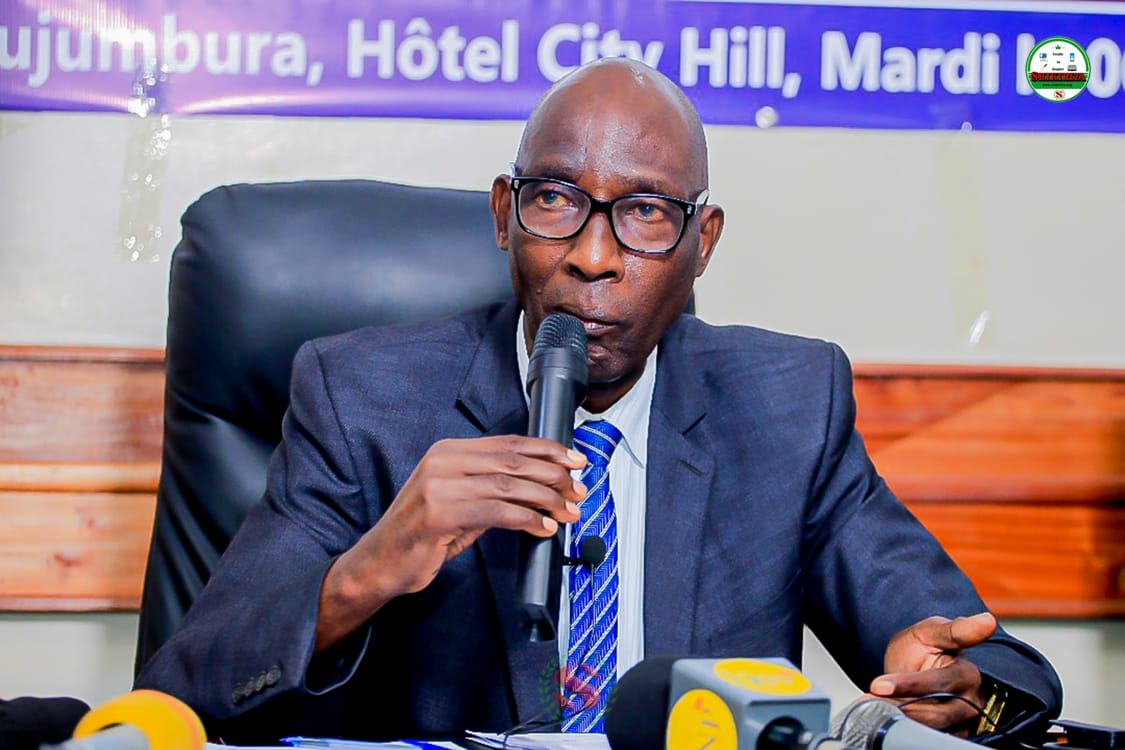
“Burundi is haunted by corruption in numerous sectors,” Michel Masabo, a professor of political science.
“Burundi is among the countries characterized by corruption in numerous sectors. It ranks around 170th out of 180 countries,” explained Michel Masabo, a professor of political science at the University of Burundi.
Corruption refers to the practice whereby a civil servant, administrator, or bureaucrat demands money for a service that should be provided free of charge. Such practices undermine performance and public service delivery.
“There is no small or big corruption,” said Faustin Ndikumana. Corruption consists of abusing a public position for personal interest, which contradicts the responsibility of serving the general interest. The PARCEM representative emphasized that supporting corruption is equivalent to having no government at all and called on authorities to take this issue seriously.
One root cause of corruption is the lack of values. Gabriel Banzawitonde, the chairman of APDR, one of recognized political party in Burundi, argued that many public services are corrupted in favor of powerful authorities. According to him, political monopolization weakens checks and balances, as actors protect one another instead of holding each other accountable. “From top leaders to civil servants, many are engaged in business dealings. No one blames the other, even when wrongdoing is evident,” he said.
Banzawitonde cited the construction of Intwari Stadium as an example, raising critical questions:
- How much revenue must a company generate annually to contribute 200,000,000 BIF?
- If an entrepreneur contributes 100,000,000 BIF, what are their net profits?
- If someone dares to contribute such an amount, how will they recover it?
- Did they consult their family before making such a financial decision?
He called on the government to ensure that businesspeople collaborate transparently with the Burundi Revenue Authority (OBR) and that public services are financed through the national budget. “No businessperson contributes such amounts without expecting returns. What they call contributions may, in fact, be corruption, as they know how the money will return with profit,” he stated.
He added: “We grew up with the slogan: ‘Public property is sacred.’ There is a saying in Kirundi: Wiba uhetse ukaba wigishije uwuri mu mugongo (If you steal while carrying a baby, you teach the child to steal).”
Using an analogy from Namibia, he explained that lions raised in a family environment grow up differently depending on what they observe. Likewise, young professionals entering institutions may imitate corrupt practices they witness among senior officials who possess unexplained wealth—multiple houses, cars, and assets.
Impunity Fuels Corruption
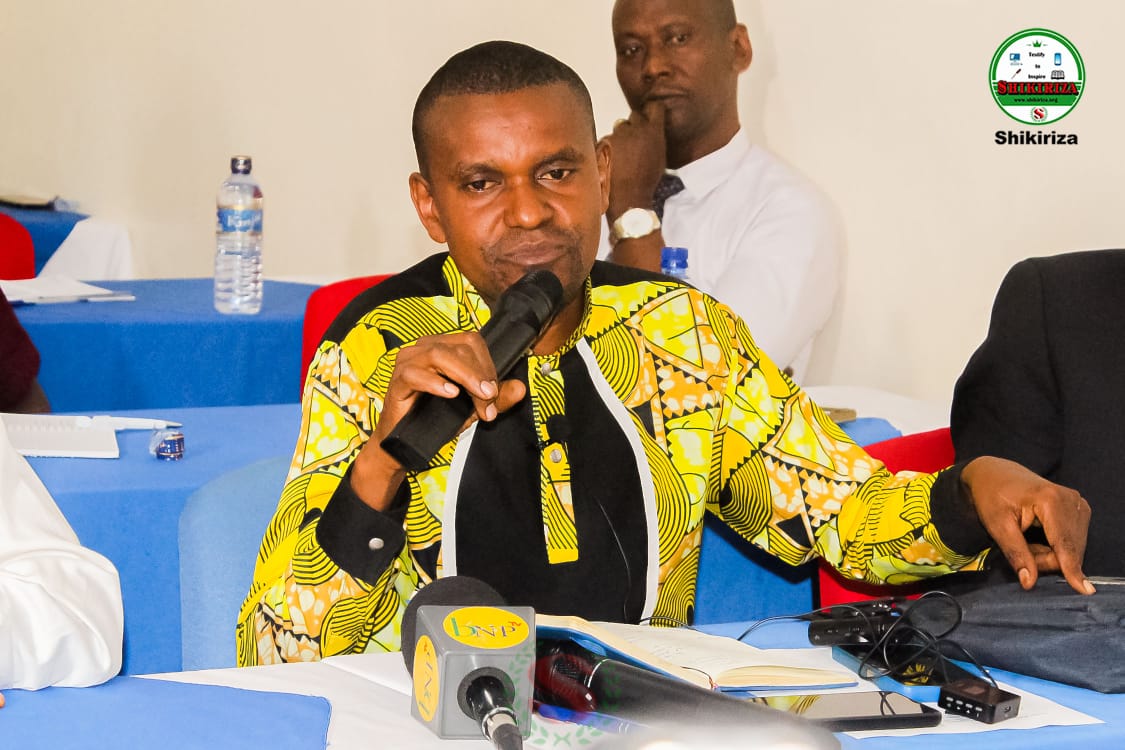
“Political monopolization weakens checks and balances,” indicated Gabriel Banzawitonde, the chairman of APDR
Shortages of essential goods also contribute to corruption. Abbé (Priest) Sadith Kenemana argued that when products such as fuel or beverages become scarce, speculation and bribery tend to increase. If goods were available at official prices, speculation would decrease. He recommended that the government ensure availability of essential products and that leaders fulfill their responsibilities faithfully.
Impunity remains a key issue. Gabriel Banzawitonde compared it to a parade of 100 soldiers: “If one makes a mistake, it is easy to identify them. But if 99 are wrong, the remaining one appears to be at fault.” He cited a case in which individuals allegedly embezzled 50 million BIF. After he denounced them, he was replaced, while the accused faced no prosecution.
Faustin Ndikumana added: “When you go to court seeking justice against a powerful figure, you are told you will lose if the opposing part uses corruption—especially if you lack financial means.” Such realities, even if not openly discussed, are widely known.
“If I say the system has failed to fight corruption, I am not mistaken,” stated MP Simon Bizimungu during the workshop. He questioned what became of the zero-tolerance policy. He criticized the unequal application of justice, noting that petty theft is punished while large-scale embezzlement often goes unpunished. Billions of BIF have reportedly disappeared without accountability, leaving citizens wondering how the country can recover when responsible authorities fail to act.
Law Enforcement and Institutional Framework
“If I say the system has failed to fight corruption, I am not mistaken,” stated MP Simon Bizimungu
Since the early 2000s, Burundi has adopted numerous laws and institutions to combat corruption. These include:
- Law No. 1/002 of March 31, 2004, establishing the Court of Accounts
- Law No. 1/12 of April 18, 2006, on the prevention and repression of corruption
- Law No. 1/27 of August 3, 2006, establishing the Special Anti-Corruption Brigade
- Decree No. 100/277 of September 27, 2006, establishing the General State Inspectorate
- Law No. 1/36 of December 13, 2006, establishing the Anti-Corruption Court
- Law No. 1/01 of February 4, 2008, on the Public Procurement Code
- Law No. 1/35 of December 4, 2008, concerning Public Finances
- The 2010 National Strategy for Good Governance and the Fight Against Corruption
Despite this legal framework, results remain limited. During the workshop, Faustin Ndikumana identified three main groups responsible for corruption: public officials who abuse power; citizens who offer or accept bribes; and institutions—both public and private—that facilitate corrupt practices.
Recruitment processes were also criticized for lacking transparency and merit. Michel Masabo recounted an incident in which a student already knew he had been selected before completing the recruitment test.
Political gifts were described as another form of corruption. According to Faustin Ndikumana, it is inappropriate for public leaders to receive gifts such as cows from citizens, especially from poor communities. He suggested abolishing such practices.
Measures to Reduce or Eradicate Corruption
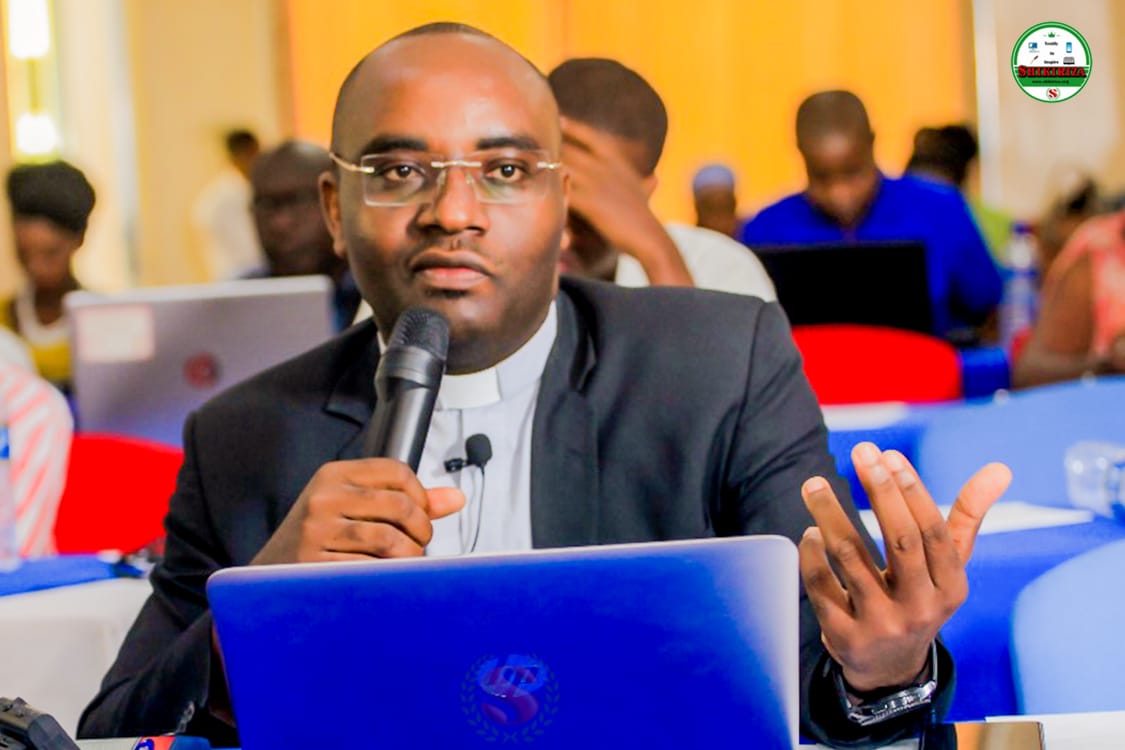
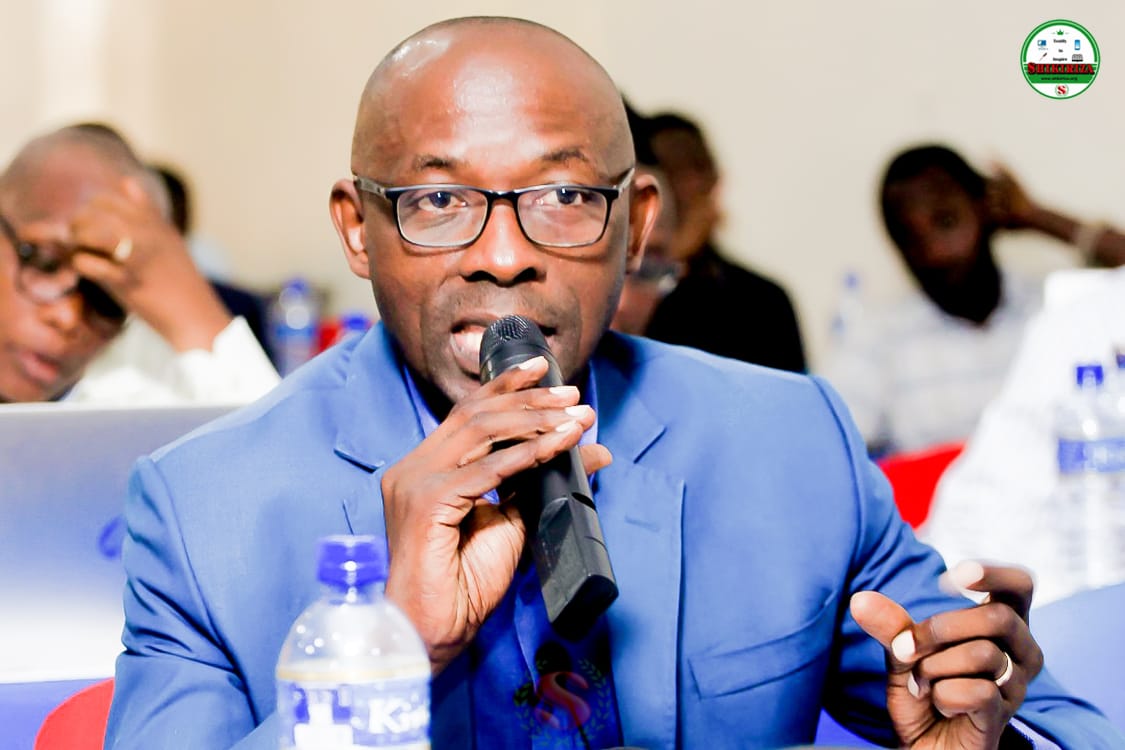
“Digitalization of public services could reduce corruption,” proposed Abbé Sadith Kenemana
Digitalization of public services could reduce corruption. Abbé (Priest) Sadith Kenemana proposed electronic payment systems to minimize direct contact between citizens and officials. He questioned the logic of spending 20,000 BIF on transport to pay a 1,000 BIF bill, or waiting in long queues that encourage bribery. Digital services would promote transparency and efficiency.
Public awareness and citizen participation are also essential. Michel Masabo highlighted the importance of awareness campaigns, radio programs, investigative journalism, and denunciation mechanisms. Other priorities include revising the legal framework, strengthening oversight institutions, improving transparency in public procurement and recruitment, and enhancing international cooperation.
Ultimately, the success of any strategy depends on political will. Michel Masabo emphasized the need for independent anti-corruption institutions with sufficient budgets, the creation of blacklists for corrupt companies, strict sentencing of offenders—especially public officials—and mandatory asset declarations before and after public service.
Despite these efforts, PARCEM confirmed that corruption continues to proliferate, and Burundi will remain among the most corrupt countries in the world. “Genuine change is urgently needed,” they emphasized.