
Burundi is facing a rapidly worsening environmental crisis as deforestation intensifies across the country. With 95% of households still reliant on firewood and charcoal, forest cover has declined sharply—from 20% in 2000 to just 10.8% today. Despite government efforts, weak forest governance, expanding farmland, and rising global charcoal consumption continue to drive the loss of natural forests. Environmentalists warn that the ecological consequences—soil erosion, biodiversity loss, and rising carbon emissions—are mounting, while reforestation initiatives struggle to keep pace. Local actors, including youth-led groups like Greening Burundi, are pushing for stronger community involvement and a national shift toward sustainable energy to halt further destruction.
In Burundi, about 95% of domestic energy comes from firewood or charcoal. This heavy reliance places increasing pressure on the country’s forests. Deforestation is also one of the leading drivers of climate change. Beyond charcoal production, forests are threatened by bushfires, logging for construction, and the expansion of farmland.
According to official estimates (OBPE, 2024), forest cover currently stands at 2,706 km², representing 10.8% of the country’s land area. Of this, around 1,600 km² are primary forests (such as protected areas), and 1,030 km² are plantations (including artificial forests and agroforestry systems). Earlier estimates showed that in 2000, Burundi’s overall tree cover reached 5,380 km² (20%) nationwide. The decline is alarming.
As a landlocked country, Burundi faces additional pressures: more than 90% of its population relies on subsistence farming. Uncontrolled logging for fuelwood and agricultural expansion have resulted in widespread deforestation across much of the nation. The world is also facing increasing charcoal consumption. Global charcoal consumption reached a record high of 59 million tons in 2023 (FAO).
Effects of deforestation in Burundi
Increasing deforestation leads to harmful environmental consequences, including soil erosion, loss of biodiversity, increased greenhouse gas emissions, and water pollution. The destruction of forest cover has detrimental effects on the climate, soil conservation, and water reserves. The forests play a significant role in carbon storage and climate regulation. Moreover, they are essential for achieving sustainable development goals related to food security, biodiversity conservation, and climate change.
“Between 2021 and 2024, 95% of tree cover loss in Burundi occurred in natural forests. The total loss in natural forests was 9.56 kha, equivalent to 4.85 Mt of CO₂-equivalent emissions.” (Global Forest Watch, 2020)
The need for better management
Deforestation is a global challenge that raises deep concern. Broad involvement from all stakeholders is indispensable in tackling this issue. Strengthening forest governance in Burundi is crucial to ensure better optimization in the management of resources. Greater transparency should be promoted through a public system for monitoring and evaluating forestry projects. This would include clarifying institutional roles to improve coordination among authorities, NGOs, and local communities.
At the same time, encouraging active participation from local communities would enhance ownership of sustainable management initiatives. Citizen education about environmental protection is necessary for every person in their daily activities. In addition, specialized training for forestry officers and local actors would ensure closer alignment of forest management practices with today’s ecological and economic challenges.
Innocent Banigwaninzigo, a Burundian Expert and Researcher in Climate Change and Agroecology, is sounding the alarm over the growing destruction of ecosystems caused by illegal tree cutting in protected areas, including national parks. He calls for stricter conservation measures and urges the enforcement of environmental laws, notably the 2021 and 2016 environmental acts, as well as Article 35 of the Constitution of Burundi.
To reduce pressure on forests, Innocent Banigwaninzigo recommends increasing the use of biogas, electricity, and peat, particularly in urban areas and within industries. He also encourages builders to replace wooden scaffolding with metal structures.
He further urges communities to adopt agroforestry, a land-use system that integrates trees and shrubs with crops and livestock on the same plot of land. He argues that this approach promotes both ecological and economic benefits, making agriculture more sustainable and resilient.
“Agroforestry plays a key role in soil conservation, improved soil fertility, water retention, and biodiversity protection. It enhances the provision of food, fuel, and fodder, while helping communities adapt to climate change by reducing land degradation and improving microclimates,” he concluded.
According to the Burundi Office for Environmental Protection (OBPE), implementing targeted research programs on local species—particularly endemic ones and those adapted to various agro-ecological zones—would foster ecological regeneration and strengthen climate resilience in the forestry sector. Moreover, the creation of a national data center would centralize essential information on biodiversity and forestry initiatives, thereby facilitating access for researchers and policymakers.
A shift to renewable energy is also crucial in reducing dependence on charcoal fuel, on which many households still rely.
Reforestation as a remedy
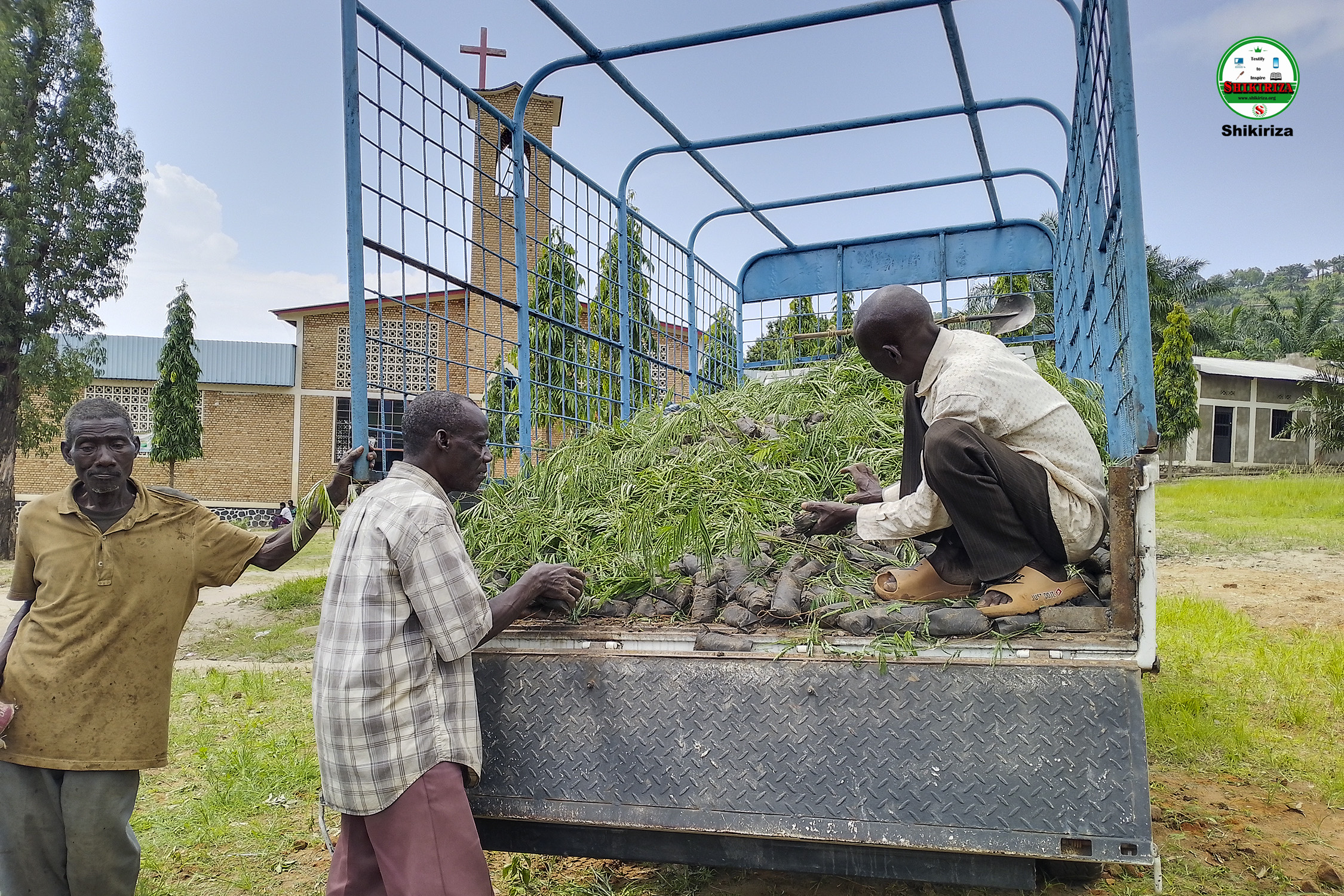
The project “Ewe Burundi Urambaye” aims to plant trees and strengthen the country’s forest cover
Burundi continues to implement initiatives aimed at preserving nature. Through Decree No. 100/0142 of September 14, 2018, the Government of Burundi launched the national reforestation project “Ewe Burundi Urambaye,” demonstrating its commitment to a healthy and sustainable environment. The project aims to plant trees on barren mountains and strengthen the country’s forest cover.
However, the pace of reforestation remains insufficient. According to the National Forest Financing Strategy (SNFF 2025–2040), “private sector involvement in the forestry sector is minimal, mainly due to perceived risks and a lack of incentives. Indeed, forestry projects, such as reforestation or sustainable forest management, often take several decades to reach maturity and generate substantial profits.”
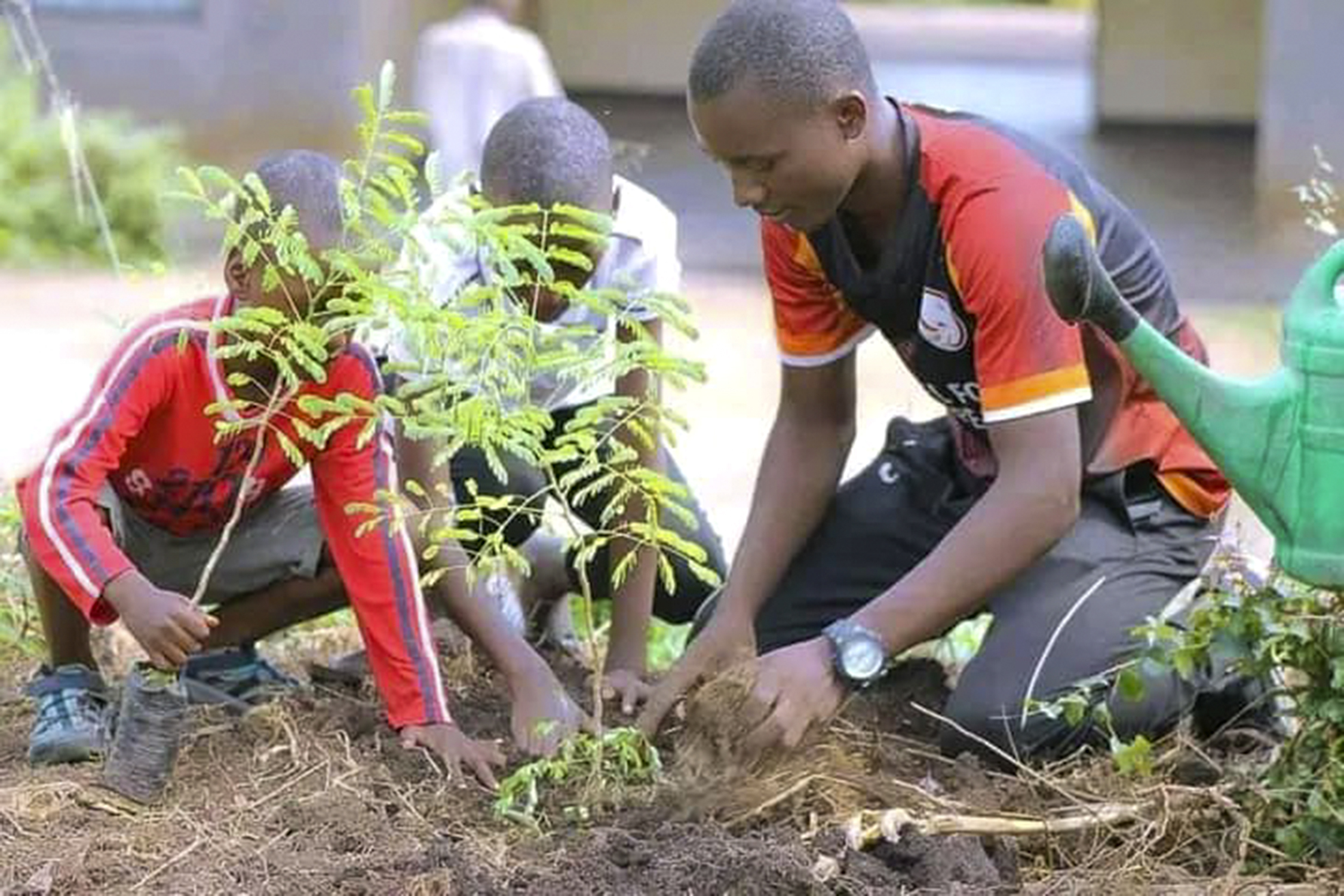
Local environmentalists are also engaged in promoting greenery in Burundi. A young changemaker, Emmanuel NIYOYABIKOZE, through his association “Greening Burundi”, reports that over 2.5 million trees have been planted across the country since 2017. He has also decided to motivate children to understand the importance of the environment for the future of our planet. As part of Greening Burundi’s activities, children actively participate in environmental protection and tree planting to create a better future for everyone.
According to Emmanuel NIYOYABIKOZE, collaboration between local organizations, authorities, and schools can help restore ecosystems within communities by rebuilding forests. He issues a strong call to all well-meaning individuals, both locally and internationally: “Reforestation is a global emergency that requires collective action. Everyone can contribute, whether by raising awareness, planting a tree, or participating in local initiatives,” he concluded.